Conservatory Home Addition: Complete Guide to Design, Benefits, and Real-World Examples
Adding a conservatory home addition is one of the most elegant ways to increase living space while bringing natural light into a property. Known for their large glass walls and versatile design, conservatories are popular in both traditional and modern architecture. They serve as bright, airy spaces that can function as dining rooms, living rooms, or even indoor gardens.
This article will explore everything about conservatory home additions, including their design, benefits, real-world examples, and practical use cases.
What is a Conservatory Home Addition?
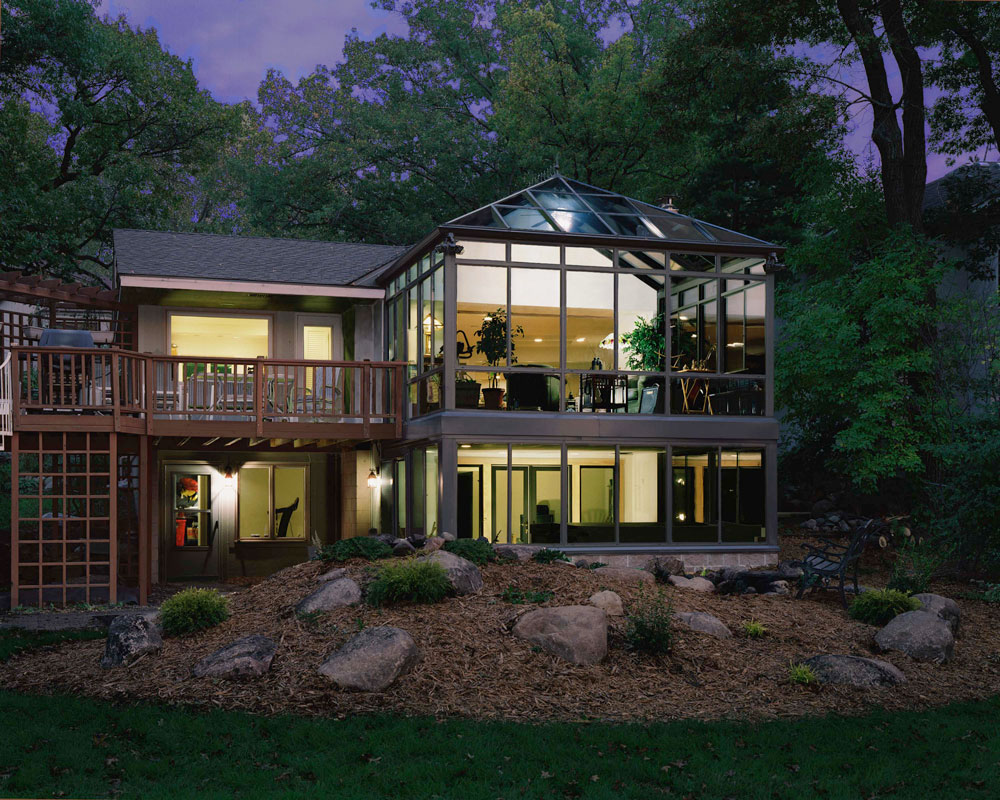
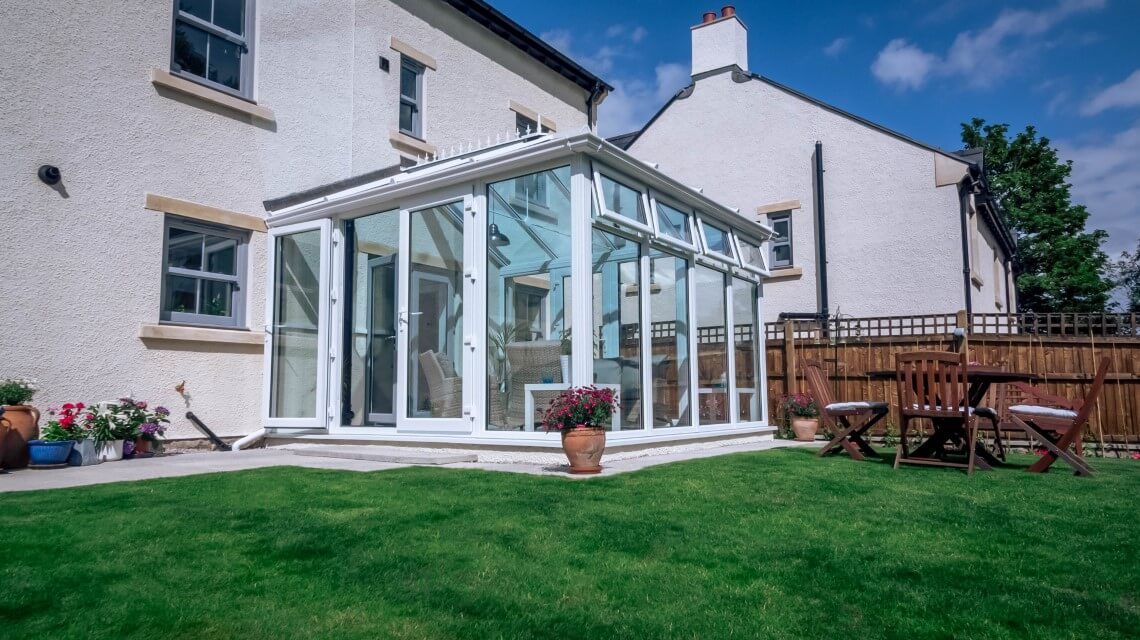
A conservatory home addition is a glass-based extension typically attached to the rear or side of a home. Traditionally found in European architecture, conservatories have evolved from greenhouses into multifunctional living spaces. With large glass panels, they maximize natural daylight while providing a seamless transition between indoor and outdoor environments.
Modern conservatories are built with energy-efficient glazing, durable framing materials, and climate control features, allowing them to be enjoyed year-round. They can be customized in various styles, from Victorian-inspired structures to minimalist contemporary glass boxes.
Types of Conservatory Home Additions
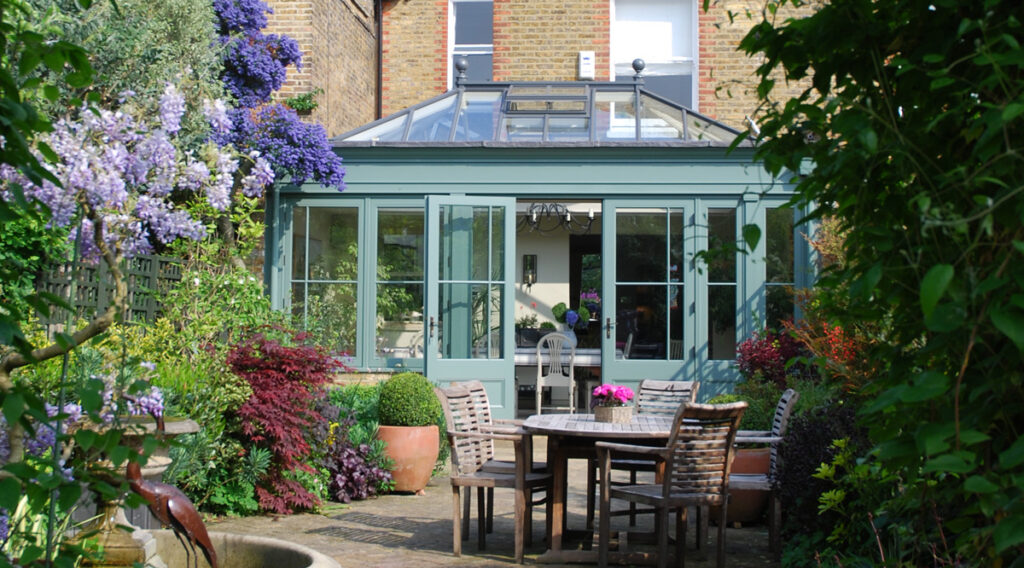
Conservatories come in several distinct styles, each catering to different architectural tastes and needs.
Victorian conservatories are characterized by ornate designs, rounded bay fronts, and steeply pitched roofs. They are timeless choices for homeowners seeking elegance.
Lean-to conservatories, also known as sunrooms, feature simple, straight lines and flat-angled roofs. They are ideal for modern homes or smaller properties where space is limited.
Contemporary glass box conservatories use frameless or slimline structures, emphasizing transparency and modern design. These are often chosen by homeowners who want to blur the line between indoor and outdoor living.
Benefits of Conservatory Home Additions Using Technology
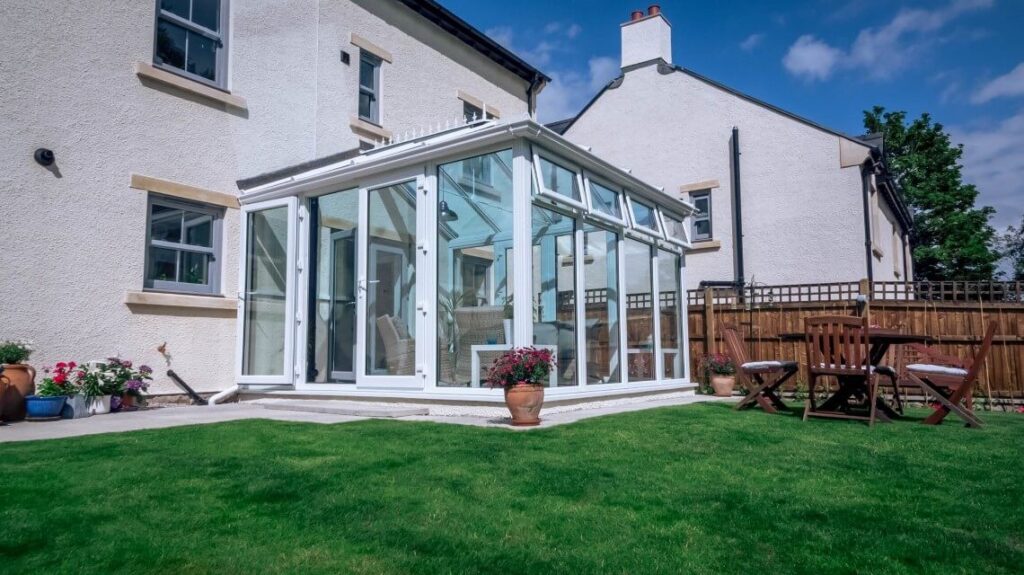
Technology has transformed conservatory design, making them more energy-efficient and practical than ever.
One of the most significant advancements is low-emissivity (Low-E) glass, which reduces heat loss during winter and minimizes solar gain in summer. This allows conservatories to remain comfortable throughout the year without excessive energy costs.
Another innovation is self-cleaning glass, which uses a special coating that breaks down dirt and allows rainwater to wash it away naturally. This reduces maintenance needs and ensures the glass remains clear.
Additionally, integrated climate control systems with underfloor heating, smart blinds, and ventilation sensors enhance comfort. These features allow homeowners to use their conservatory as a functional living area, regardless of weather conditions.
Real-World Example Products and Use Cases
Ultraframe Conservatories
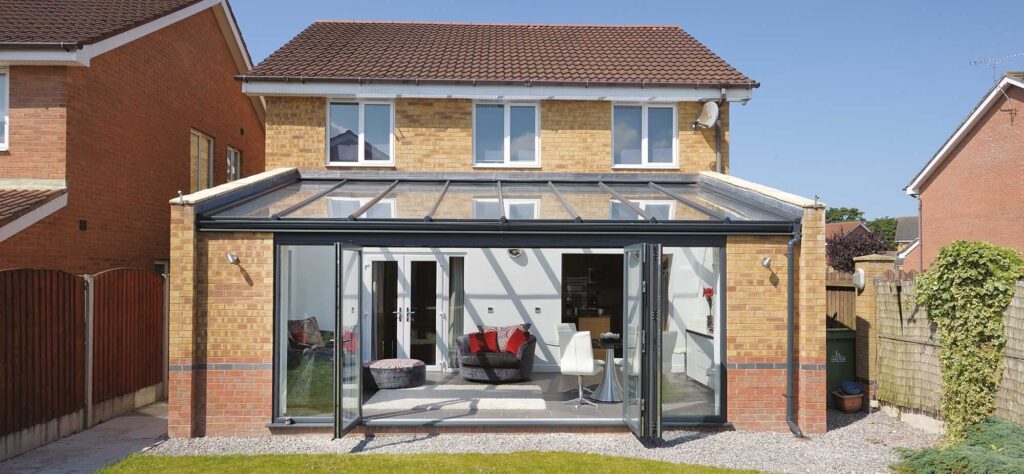
Ultraframe is a leading brand specializing in conservatory systems. They offer a wide range of customizable options, from traditional Victorian designs to sleek modern structures. Their Livinroof system combines solid roofing with glazed sections, striking a balance between insulation and natural light.
The relevance of Ultraframe lies in its focus on thermal efficiency. Their systems are designed to meet modern building regulations, ensuring that the conservatory feels like a true extension of the home rather than a seasonal space.
Four Seasons Sunrooms
Four Seasons Sunrooms is renowned for producing high-performance glass enclosures and conservatories. Their systems often use Energy Star–rated glass, making them eco-friendly and cost-efficient.
These conservatories are versatile, doubling as living rooms, dining areas, or even luxury indoor pools. Homeowners who choose Four Seasons benefit from a blend of cutting-edge technology and timeless style.
Vale Garden Houses
Vale Garden Houses specializes in bespoke conservatories inspired by classical English design. Their structures often feature intricate detailing, including decorative cresting and finials, combined with modern performance glass.
These conservatories are relevant for heritage homes or properties where maintaining traditional architectural character is essential. Vale’s designs prove that conservatories can be both luxurious and historically sensitive.
Solarlux Glass Houses
Solarlux focuses on minimalist glass structures that embody modern architectural trends. Their conservatories often use frameless glass panels with slim aluminum framing, creating a seamless indoor-outdoor experience.
This solution is particularly relevant for contemporary homes where maximizing views and natural light is a priority. Their systems are engineered for durability, with advanced weatherproofing and insulation.
Practical Benefits of Conservatory Home Additions
Conservatories bring numerous practical advantages to homeowners. The most obvious benefit is increased living space. A conservatory can serve as a dining room, lounge, office, or garden room, depending on the household’s needs.
Another major benefit is the enhancement of natural light. The extensive use of glass brightens interiors, creating uplifting environments that can improve mood and reduce reliance on artificial lighting.
From a financial perspective, conservatories can increase property value. Buyers often view them as attractive lifestyle features, making homes more appealing on the market.
Use Cases of Conservatory Home Additions
Conservatories solve several real-life problems for homeowners. For families who lack space, a conservatory provides an additional room without the cost of a full home extension. This makes it an affordable way to adapt homes to changing needs, such as growing families or remote work setups.
For homeowners in colder regions, a conservatory acts as a sun trap, providing warmth and light during winter. It becomes a cozy retreat where one can enjoy nature without braving harsh outdoor conditions.
In urban environments, conservatories can serve as private oases, shielding residents from noise while still connecting them to outdoor greenery. This makes them valuable in cities where gardens are limited.
Frequently Asked Questions
1. Do conservatory home additions require planning permission?
In many cases, small conservatories fall under permitted development rights. However, larger or more complex designs may require approval. It is always advisable to consult local building regulations before construction.
2. Can a conservatory be used year-round?
Yes, with modern glazing, insulation, and heating solutions, conservatories can be comfortable in all seasons. Features like Low-E glass and underfloor heating ensure consistent indoor temperatures.
3. How long does it take to build a conservatory home addition?
Construction time depends on design complexity. A simple lean-to conservatory might take a few weeks, while a bespoke Victorian or modern glasshouse can take several months from planning to completion.