Commercial Picnic Tables: Durable Outdoor Solutions for Public Spaces and Businesses
Commercial picnic tables are essential outdoor seating solutions designed for heavy use in public areas, schools, parks, recreational spaces, and business settings. Unlike residential picnic tables, commercial options are manufactured to withstand frequent use, exposure to the elements, and the wear-and-tear that comes from being in a high-traffic environment. They are built using robust materials such as recycled plastic, coated metal, and pressure-treated wood, making them long-lasting investments for organizations and municipalities.
Beyond their durability, commercial picnic tables serve a much larger purpose than just providing a place to sit. They create communal spaces that foster social interaction, outdoor dining, learning environments, and recreational opportunities. Whether placed in a local park, outside a company headquarters, or at a school playground, these tables contribute to the functionality and attractiveness of outdoor settings.
Materials and Construction of Commercial Picnic Tables
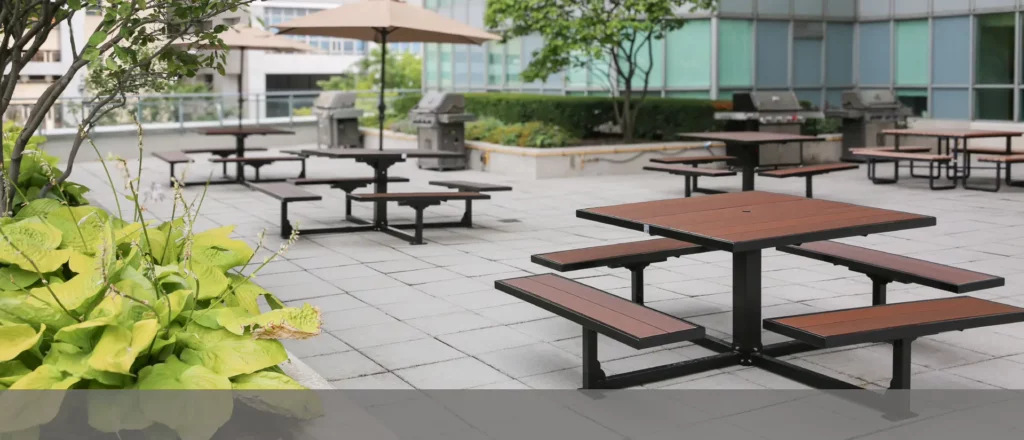
One of the defining characteristics of commercial picnic tables is the material selection. Popular choices include metal, concrete, wood, and recycled plastic, each with distinct advantages. For instance, recycled plastic picnic tables are favored for their eco-friendly composition and resistance to rot and mold. Metal options, often powder-coated, are known for their strength and low maintenance. Concrete tables, while heavy and immovable, provide the ultimate level of durability, making them common in parks where vandalism resistance is a priority.
The construction methods also vary depending on usage needs. Some models incorporate heavy-duty steel frames with attached benches, while others feature modular designs that allow easier replacement of damaged components. UV-resistant finishes and protective coatings are often applied to prevent fading and weather damage. Collectively, these design features ensure that commercial picnic tables can endure years of exposure without significant deterioration.
Real-World Examples of Commercial Picnic Tables

Recycled Plastic Commercial Picnic Tables
Recycled plastic picnic tables have grown in popularity because of their sustainability and low-maintenance benefits. Schools and eco-conscious businesses frequently select them to align with environmental values. Unlike wooden tables, they don’t require painting or sealing, and they resist splintering, making them safe for children and public use. Many municipalities integrate recycled plastic picnic tables into parks as part of green initiatives, demonstrating how these products balance durability with ecological responsibility.
Metal Frame Picnic Tables with Thermoplastic Coating
Metal picnic tables with thermoplastic coatings are widely seen in playgrounds, sports facilities, and schoolyards. The coating provides a smooth, colorful finish that resists graffiti, scratches, and corrosion. This makes them particularly suited for environments with heavy use where appearance and resilience are equally important. Their sturdy frames also support large groups, making them ideal for events and recreational gatherings.
Concrete Commercial Picnic Tables
Concrete picnic tables are synonymous with permanence and strength. Often placed in public parks, rest stops, and national recreation areas, they provide long-term seating solutions that are nearly impossible to vandalize or move. Concrete is also resistant to fire and extreme weather conditions, ensuring year-round usability. These tables are particularly valued in locations that need minimal ongoing maintenance while still offering functional public seating.
Hybrid Wood and Metal Picnic Tables
Hybrid designs that combine wood planks with metal frames are popular for their aesthetic appeal. They offer the warmth of natural wood with the sturdiness of steel supports. Restaurants and breweries with outdoor patios often choose hybrid commercial picnic tables to maintain a rustic charm while still ensuring that their furniture can withstand high levels of customer traffic. This fusion design strikes a balance between tradition and modern utility.
Benefits of Commercial Picnic Tables Using Modern Technology
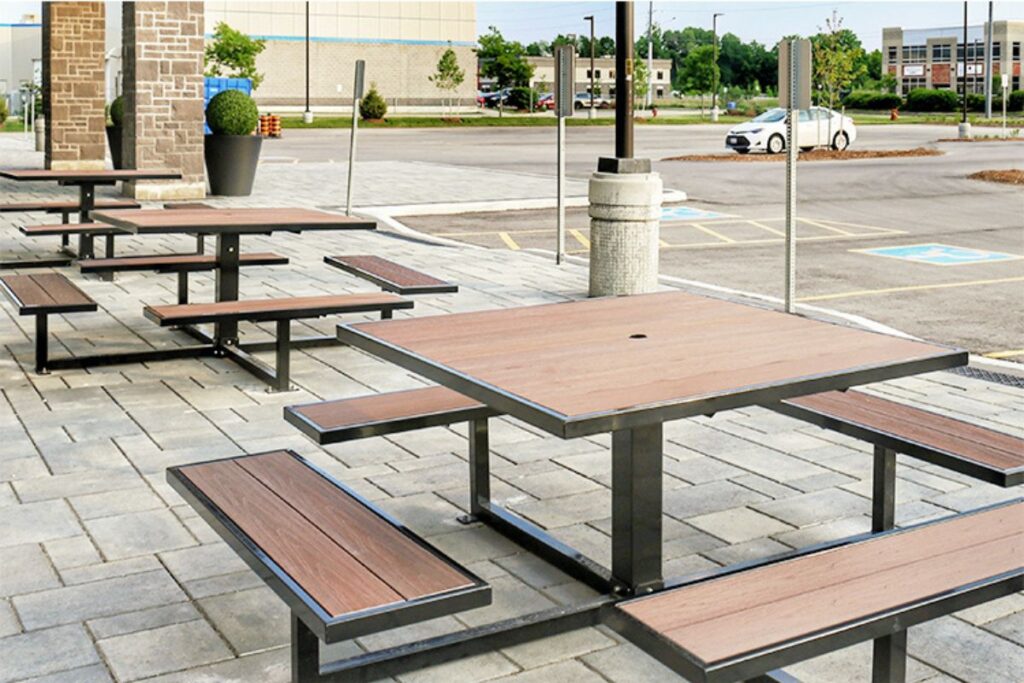
The advancement of manufacturing technologies has greatly improved commercial picnic tables. Modern powder-coating processes ensure that metal frames resist corrosion and maintain their color even after years of exposure to sun and rain. Composite materials, including recycled plastics and engineered resins, extend the lifespan of tables while reducing maintenance costs.
Additionally, ergonomic and safety-focused designs are now integrated into many commercial picnic tables. Rounded edges, slip-resistant surfaces, and ADA-compliant configurations ensure inclusivity and comfort for users of all ages and abilities. Technology-driven materials and coatings also mean fewer resources spent on repainting, repairs, and replacements—making these tables cost-efficient investments for public and private organizations.
Practical Use Cases of Commercial Picnic Tables
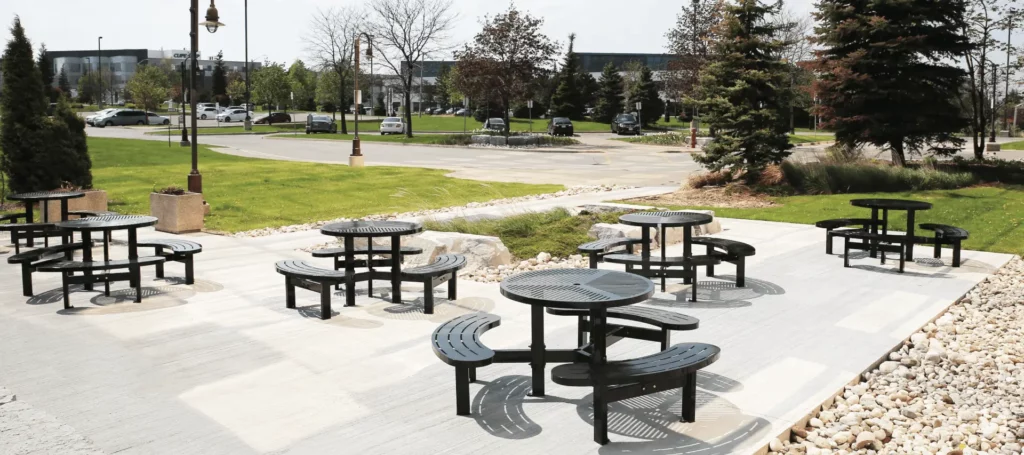
Schools and Educational Campuses
Schools are one of the primary beneficiaries of commercial picnic tables. They provide outdoor dining options, study spaces, and gathering areas for students. Because they are durable and easy to clean, they can withstand the daily wear from hundreds of children. In addition, weather-resistant designs allow schools to extend their usable learning spaces outdoors, fostering engagement and reducing crowding indoors.
Public Parks and Recreation Areas
Public parks depend heavily on commercial picnic tables to accommodate families, groups, and community events. They serve as essential infrastructure for picnics, festivals, and recreational activities. Concrete and metal options are often selected for their ability to endure high foot traffic, weather changes, and the challenges of vandalism, ensuring that public resources are protected for years to come.
Businesses and Corporate Campuses
Companies that invest in outdoor seating areas with commercial picnic tables encourage employee wellness and collaboration. Staff can enjoy meals outdoors, hold informal meetings, or simply relax in the fresh air. This type of investment promotes workplace satisfaction and productivity while also enhancing the overall image of the corporate campus. Businesses that serve customers directly, such as outdoor cafés or breweries, also benefit from incorporating these tables into their outdoor seating plans.
Hospitality and Tourism Venues
Hotels, resorts, and campgrounds rely on commercial picnic tables to provide functional outdoor dining and relaxation spaces for guests. They enhance the guest experience by offering convenient seating in outdoor recreation areas, poolside patios, or designated picnic zones. Their durability ensures they remain functional across tourist seasons, regardless of environmental exposure.
Benefits of Using Commercial Picnic Tables in Outdoor Spaces
Commercial picnic tables bring several practical benefits to communities, organizations, and businesses. They enhance the usability of outdoor areas by turning open spaces into social and functional environments. With strong, weather-resistant designs, they provide dependable seating solutions that require minimal upkeep.
Another significant advantage is their role in fostering community interaction. By creating shared seating areas, they encourage people to come together, socialize, and build connections. For businesses, they serve as tools for customer satisfaction, while for public institutions, they represent long-term investments in accessible outdoor infrastructure.
Frequently Asked Questions
What makes commercial picnic tables different from residential ones?
Commercial picnic tables are designed for heavy use in high-traffic environments such as parks, schools, and businesses. They are built with stronger materials like concrete, metal, and recycled plastic, and often include protective finishes that extend their durability compared to residential versions.
Which material is best for a commercial picnic table?
The best material depends on the intended use. Concrete is ideal for permanence and vandal resistance, recycled plastic is eco-friendly and low-maintenance, and coated metal provides strength with aesthetic appeal. Each option has advantages depending on the environment.
Are commercial picnic tables ADA-compliant?
Yes, many manufacturers produce ADA-compliant commercial picnic tables to ensure accessibility. These models typically include extended tops or modified bench configurations to accommodate wheelchairs, ensuring inclusivity in public and private spaces.