Deck and Patio Living: Transforming Outdoor Spaces into Comfortable Retreats
Deck and patio living has become a cornerstone of modern home design, offering homeowners a seamless extension of indoor spaces into the outdoors. Whether you live in a suburban home, a city townhouse, or a countryside property, a well-designed deck or patio can transform unused exterior space into a multifunctional retreat for relaxation, entertainment, and family gatherings.
In recent years, the popularity of decks and patios has grown significantly as more people prioritize outdoor leisure and wellness. These spaces not only enhance the aesthetics of a property but also increase its functional value. With new technologies, innovative building materials, and thoughtful designs, deck and patio living has evolved into an essential lifestyle feature for homeowners seeking both beauty and practicality.
The Evolution of Deck and Patio Living
Historically, decks and patios were considered simple, functional spaces, wooden structures for grilling or modest stone setups for casual seating. However, modern design trends have redefined their role, turning them into full-fledged living areas with comforts once reserved for interiors.
Today’s deck and patio designs often integrate advanced materials such as composite decking, weather-resistant furniture, and smart lighting systems. Additionally, eco-friendly practices like using reclaimed wood or permeable pavers have gained momentum, reflecting homeowners’ interest in sustainability. These innovations have elevated outdoor living from basic functionality to luxurious lifestyle enhancement.
Real-World Examples of Deck and Patio Living
Composite Deck with Integrated Lighting
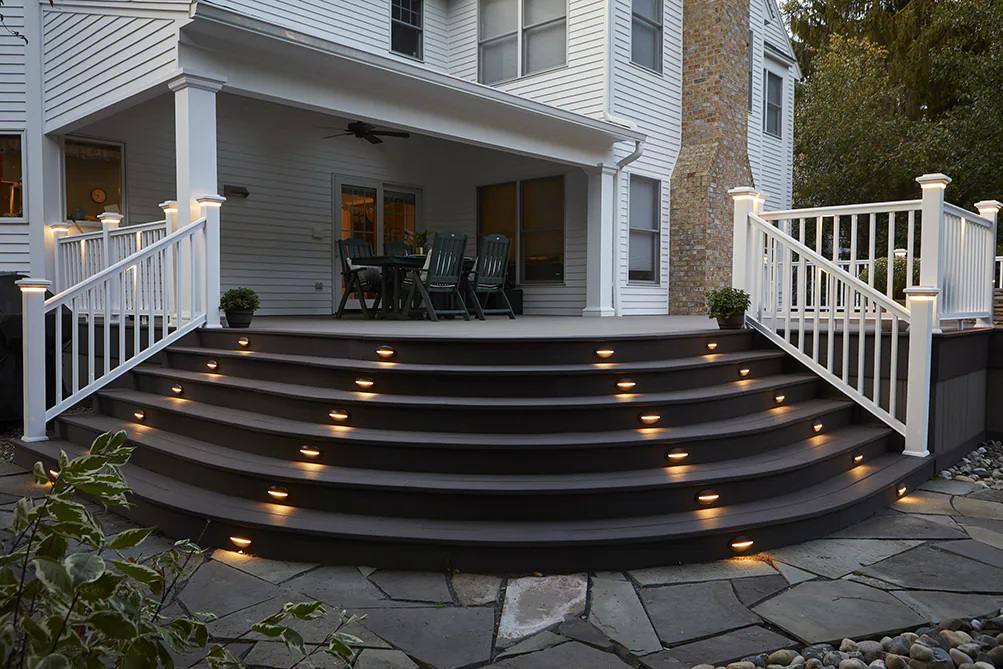
A prime example of modern deck living is a composite deck equipped with integrated LED lighting. Composite materials provide durability against weather, pests, and wear, while embedded lighting creates ambiance and safety. Homeowners benefit from low maintenance requirements and extended lifespan, ensuring their outdoor investment remains beautiful and functional year-round.
This type of deck appeals to families who want a worry-free option that resists staining and fading. By combining aesthetic lighting with advanced decking materials, the space becomes suitable for evening gatherings, late-night dining, or simply relaxing after sunset.
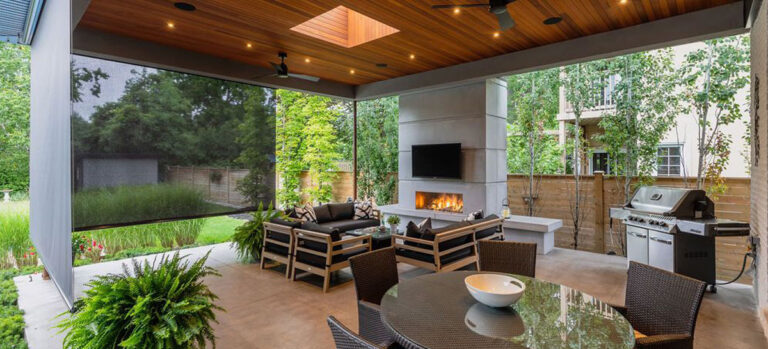
Covered Patio with Outdoor Kitchen
Another popular example is a covered patio outfitted with an outdoor kitchen. This design allows homeowners to cook, dine, and entertain outdoors without worrying about weather disruptions. Features such as built-in grills, refrigerators, and storage cabinets extend indoor conveniences to the exterior environment.
Covered patios also protect from direct sun and rain, making them usable in various seasons. This setup is especially relevant for households that love hosting friends and family, as it creates a central hub for social interaction while blending utility with design.
Multi-Level Deck with Lounge and Garden
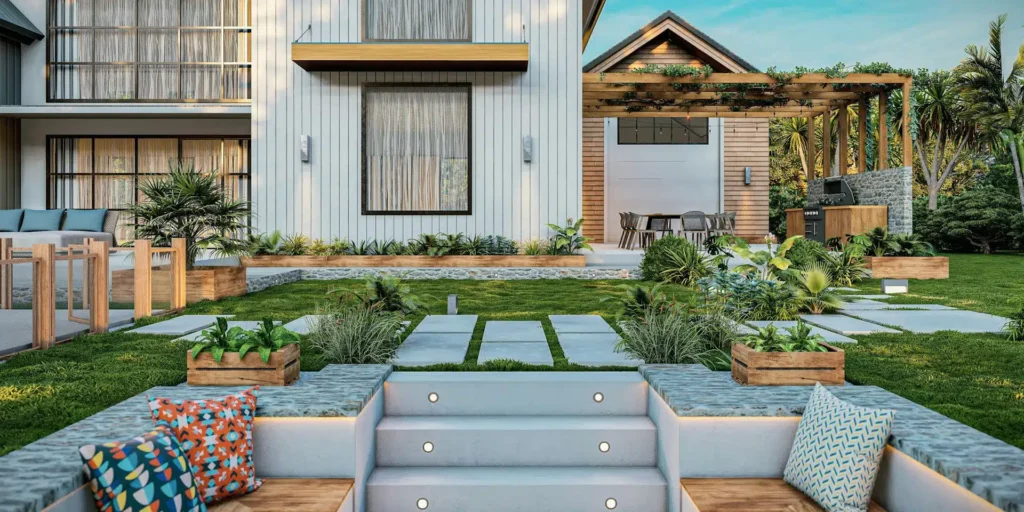
Multi-level decks are an excellent solution for homes with sloped backyards or limited flat space. By creating tiers, homeowners can divide the deck into functional zones, such as a lounge area, a dining space, and a small garden corner.
This example highlights the versatility of deck design in adapting to diverse landscapes. Multi-level decks not only maximize space but also add architectural character to the home. They allow families to enjoy different activities simultaneously; children can play on one level while adults relax on another.
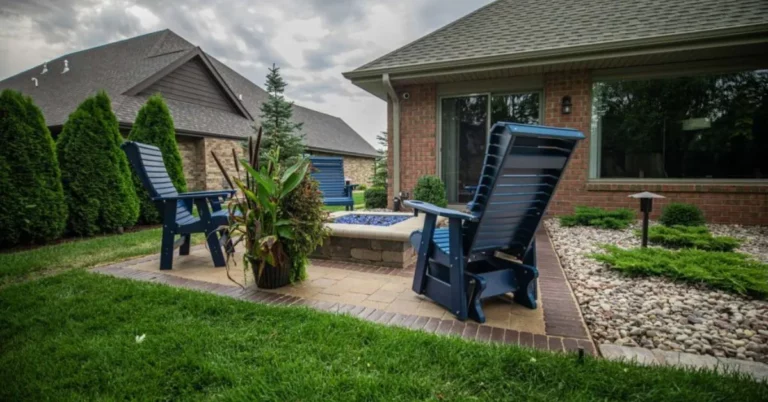
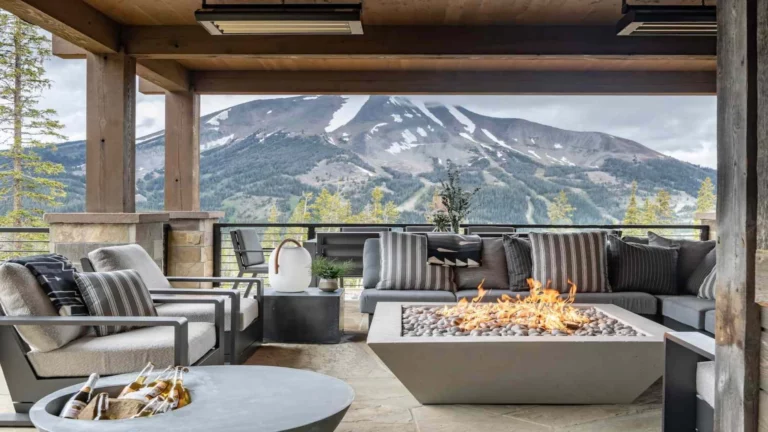
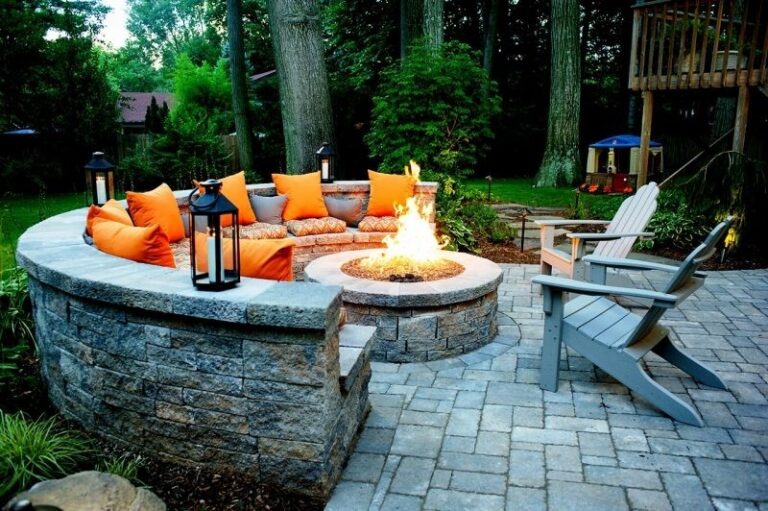
Patio with Fire Pit and Seating
Fire pits have become a signature feature of patio living, offering warmth, atmosphere, and a focal point for gatherings. A stone or concrete patio centered around a fire pit creates an inviting setting for cool evenings, extending the usability of outdoor spaces well into colder months.
Beyond its aesthetic charm, the fire pit patio serves as a social magnet where family and friends can gather for storytelling, marshmallow roasting, or simply unwinding under the stars. Its versatility makes it an enduring favorite among homeowners looking to balance coziness with outdoor adventure.
Benefits of Deck and Patio Living Using Technology
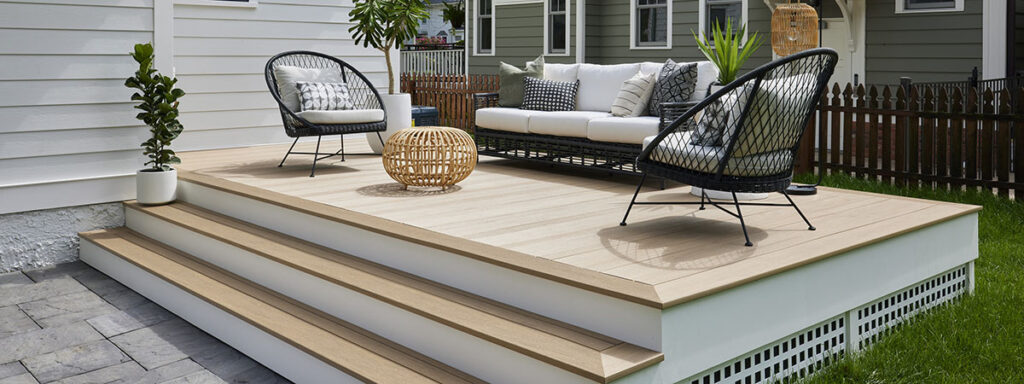
Modern technology has greatly enhanced deck and patio living, turning outdoor spaces into intelligent and adaptable environments. One of the main benefits is smart lighting systems that can be controlled through mobile apps or voice assistants. This not only boosts convenience but also contributes to energy savings.
Another technological advancement is the integration of weatherproof audio systems and outdoor televisions, allowing homeowners to enjoy immersive entertainment outdoors. These setups transform decks and patios into open-air cinemas or concert spaces.
Additionally, eco-friendly technology such as solar-powered lighting and rainwater-absorbing pavers ensures that outdoor living supports sustainability while reducing energy costs. This fusion of technology and design redefines comfort, safety, and environmental responsibility.
Practical Advantages of Deck and Patio Living
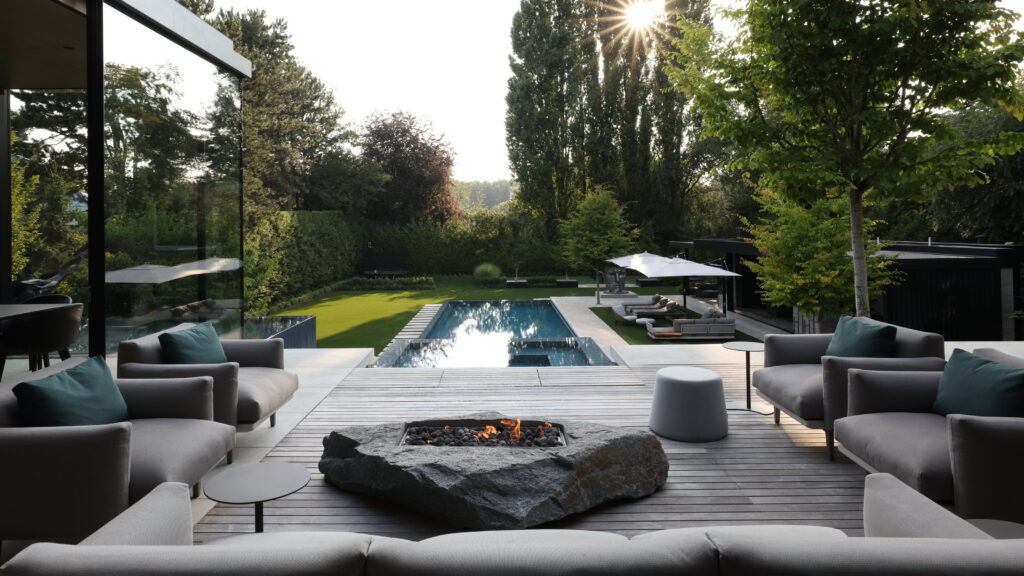
The practical advantages of deck and patio living extend beyond aesthetics. Firstly, these spaces increase the usable square footage of a home without major structural changes. Families gain new areas for dining, exercise, or hobbies without extending walls or relocating.
Secondly, decks and patios promote a healthier lifestyle by encouraging outdoor activities. Spending time outside has been linked to reduced stress levels, improved mood, and enhanced social connection. With the right furniture and features, even small patios can serve as personal wellness retreats.
Finally, they add significant property value. Well-designed outdoor living spaces are often a top priority for homebuyers, meaning that homeowners who invest in decks and patios may enjoy higher resale returns.
Use Cases of Deck and Patio Living
Deck and patio living addresses a wide range of real-life needs:
- Family Entertainment: Families can use decks for weekend barbecues or movie nights, ensuring quality bonding time.
- Private Retreats: Small patios can serve as meditation zones or morning coffee spots, offering peace away from indoor noise.
- Home Office Alternatives: In the age of remote work, a shaded deck can double as a refreshing outdoor office, helping reduce screen fatigue.
- Seasonal Celebrations: Decks and patios become ideal venues for birthdays, holidays, and summer parties, avoiding the need for indoor crowding.
- Gardening and Sustainability: Patios can integrate raised planters or vertical gardens, enabling homeowners to cultivate herbs and flowers within easy reach.
These examples demonstrate that deck and patio living is not just about luxury, but it’s a functional solution that adapts to diverse lifestyles.
Frequently Asked Questions
1. What is the difference between a deck and a patio?
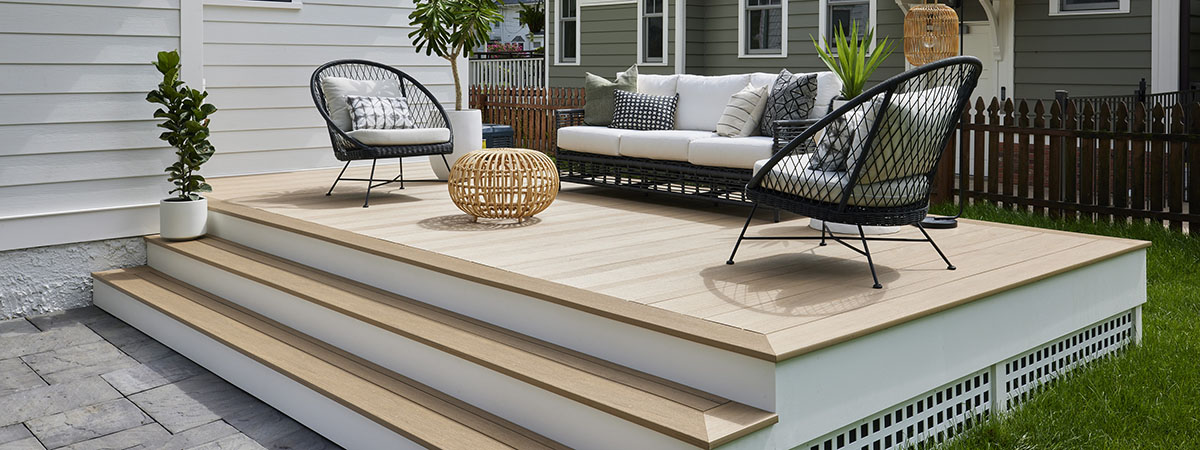
A deck is typically an elevated structure made from wood or composite materials, while a patio is a ground-level space often built with stone, concrete, or pavers. Both serve as outdoor living areas but differ in design, construction, and appearance.
2. How long do decks and patios usually last?
The lifespan depends on materials and maintenance. Composite decks can last 25–30 years with minimal upkeep, while wooden decks may last 15–20 years with regular care. Patios made of stone or concrete often last decades with little maintenance.
3. Can technology be integrated into outdoor living spaces?
Yes, modern outdoor designs frequently include smart lighting, weather-resistant audio systems, and even outdoor heating solutions. These technologies enhance usability, convenience, and energy efficiency, making decks and patios more versatile year-round.